

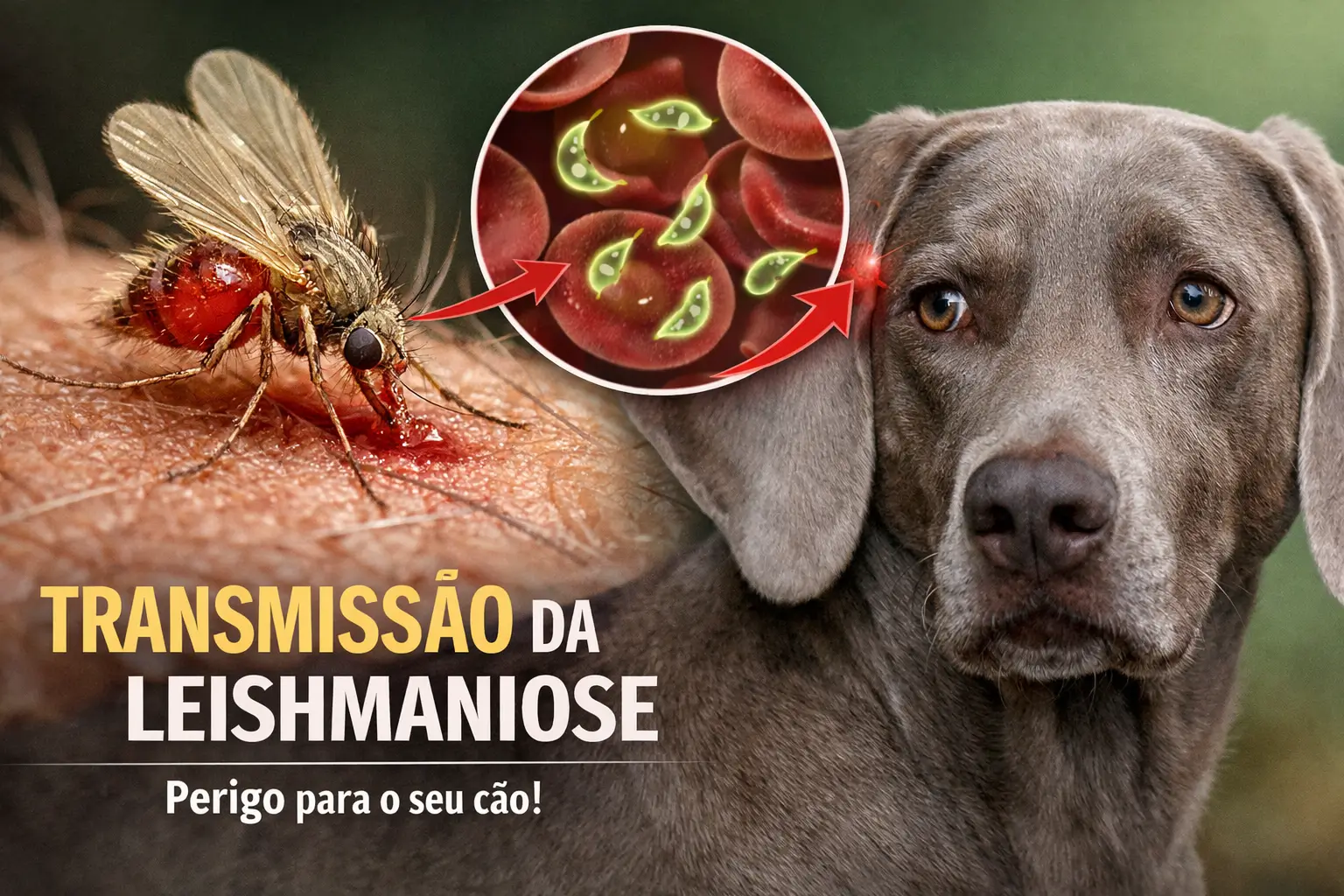

If you live in Portugal, you have probably heard of Leishmaniasis. At our clinic,
we often receive concerned owners who often have incomplete information
about this disease.
Leishmaniasis is a serious infectious disease caused by a parasite. The good
news is that with the right information and appropriate preventive measures, it is
possible to significantly reduce the risk of infection.
Contrary to what many people think, Leishmaniasis is not transmitted by a
common mosquito, but by a very small insect called a sand fly.
This insect has very specific characteristics: it is most active at dusk and dawn,
prefers humid areas with organic matter (such as gardens, backyards, and
cracks in walls), and transmission occurs when it bites an infected dog and then
a healthy dog.
Leishmaniasis is a silent and treacherous disease because symptoms can take
months or even years to appear. Based on our clinical experience, these are
some of the most common signs:
• Skin problems—dandruff-like flaking, wounds that do not heal (especially on
the ears and nose), and hair loss around the eyes
• Excessive nail growth—technically known as onychogryphosis
• Weight and appetite loss, tiredness, or apathy
Important: If you notice any of these signs, don’t wait. Early diagnosis is essential for your pet to have a long and quality life, even if they are carrying the parasite.
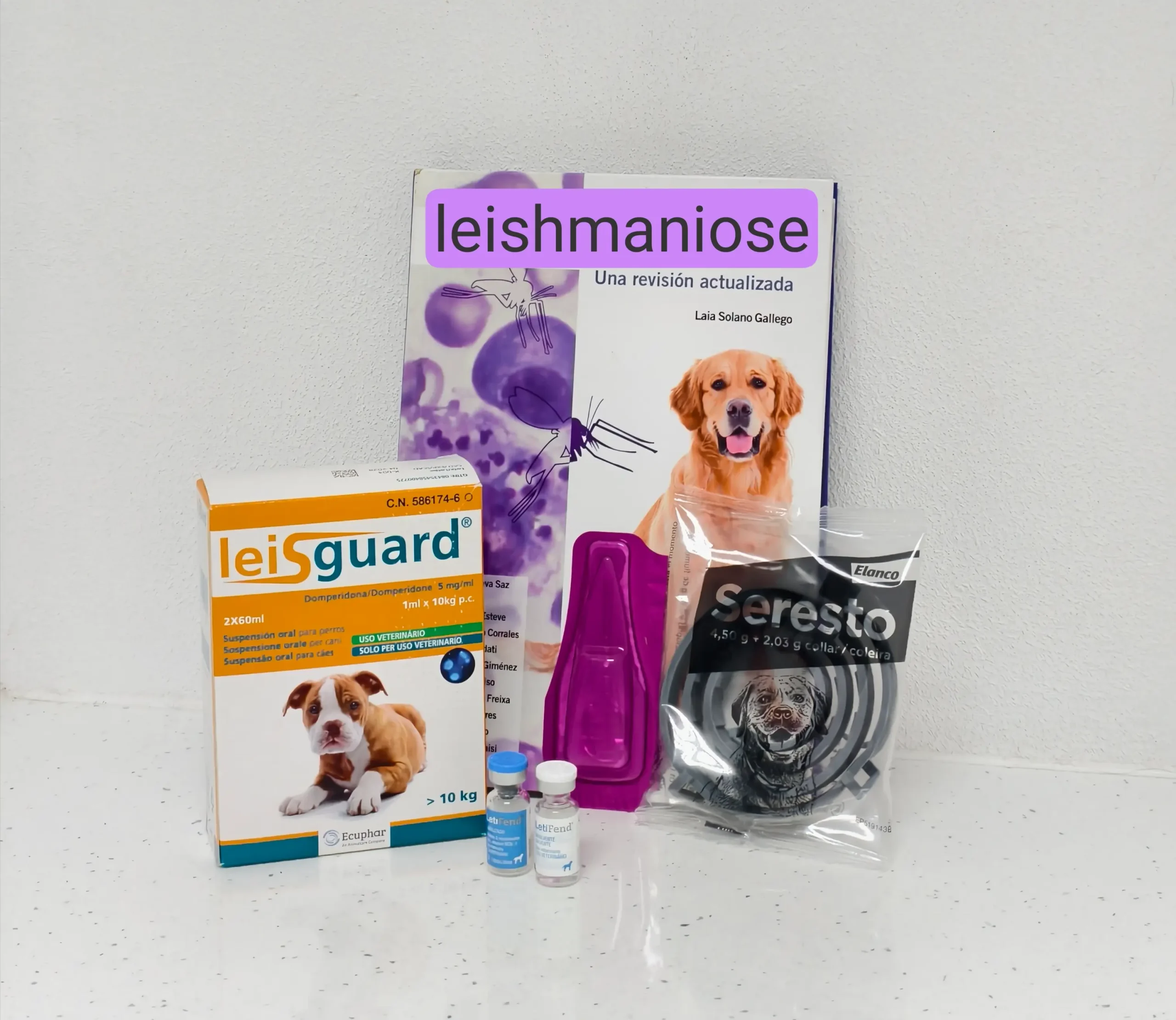
As guardians, we all want to protect our companions. Fortunately, modern
veterinary medicine has several effective tools for preventing Leishmaniasis:
• External repellents — strict use of specific collars and pipettes that repel sand
flies
• Vaccination — there is a vaccine that stimulates the dog's immune system to
react better if bitten
• Avoid walks at critical times — whenever possible, keep your dog indoors at
the end of the day and during the night
• Annual check-up — a simple blood test allows early detection of the disease,
before lesions appear in internal organs, such as the kidneys.
This is one of the most frequently asked questions during consultations. We are
talking about clinical cure, not total elimination of the parasite. A dog with
Leishmaniasis can live for many years with a good quality of life, as long as it is
properly monitored and medicated on a regular basis.
If you can't remember the last time you had your dog tested for Leishmaniasis
or if their vaccinations are not up to date, now is the ideal time to take action.
Prevention is always simpler — and more economical — than treatment.
If you would like to schedule a preventive check-up or find out which repellent is
best for your dog, please contact us. We are here to help keep your best friend
healthy and protected.